
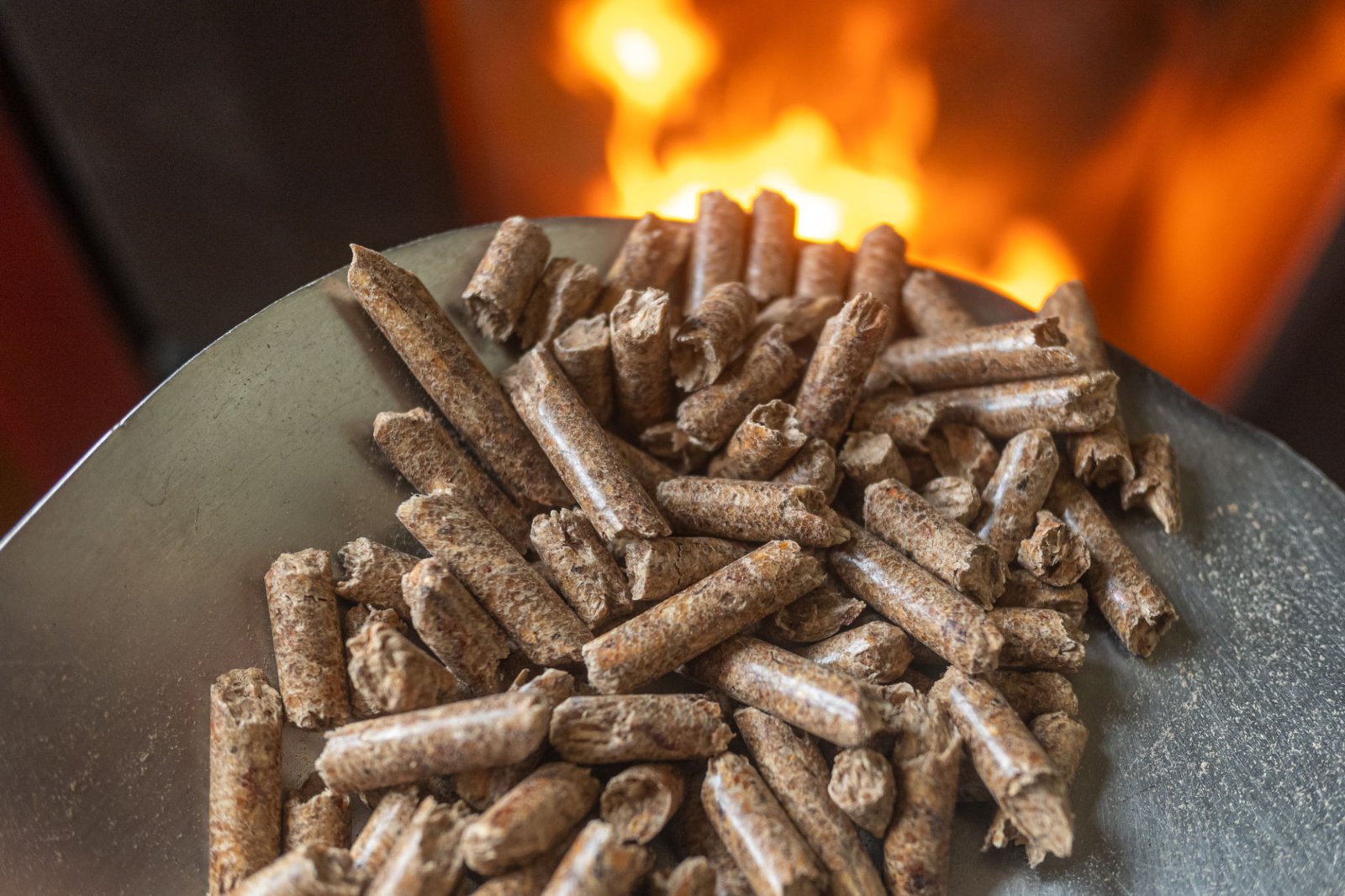
As global energy demands rise and the world shifts toward cleaner alternatives, wood pellets have emerged as one of the most promising renewable energy sources. Known for their efficiency, sustainability, and versatility, wood pellets are increasingly used in industries, households, and biomass power plants.
What Are Wood Pellets?
Wood pellets are small cylindrical biofuels made from compressed sawdust, wood shavings, and other wood residues. Produced under high pressure without chemical additives, wood pellets are clean, safe, and environmentally friendly.
Key Advantages of Wood Pellets
1. Environmentally Friendly
Wood pellets are considered a renewable resource because their raw materials come from wood waste and sustainably managed forests. They also emit significantly lower carbon compared to coal and other fossil fuels.
2. High Energy Efficiency
Wood pellets offer a high calorific value, typically around 4,000–4,500 kcal/kg. Their low moisture content (below 10%) ensures stable combustion and optimal heat output.
3. Cost-Effective and Easy to Store
Their compact and uniform shape allows for easy handling, transportation, and storage. Wood pellets are also competitively priced, making them a practical substitute for traditional fuels.
4. Versatile Applications
Wood pellets are widely used in:
- Industrial boilers
- Heating systems and room heaters
- Biomass stoves
- Biomass power plants
- Drying equipment in agriculture and livestock sectors
How Wood Pellets Are Produced
- Raw Material Collection – sawdust, wood chips, and wood residues.
- Drying – reducing moisture to the required level.
- Grinding – making the material fine and uniform.
- Pelletizing – compressing the material into pellet form.
- Cooling and Screening – ensuring pellet strength and quality.
- Packaging – usually in bags or jumbo bags for distribution.
Market Opportunities
Demand for wood pellets continues to grow, especially from countries like Japan, South Korea, and various European nations. These countries use wood pellets as a cleaner alternative to reduce reliance on fossil fuels. With its rich forest resources, Indonesia has strong potential to become a major global supplier of high-quality wood pellets.
Conclusion
Wood pellets are a clean, renewable, and efficient energy solution. With a straightforward production process and increasing global demand, wood pellets offer both environmental benefits and strong business potential for the future.